
The Ninja BL610 pitcher, lid, and blade assembly are all dishwasher safe, making cleanup convenient—but improper handling can dull blades or damage components. This guide covers exactly which parts go where in the dishwasher, the safest hand-washing techniques, and the self-cleaning method that uses your blender itself to wash its own pitcher.
Which Ninja BL610 Parts Are Dishwasher Safe
Understanding what can and cannot go in the dishwasher is critical for protecting your BL610’s longevity. The manual specifies which components are safe for machine washing and which require manual care.
Pitcher: Top or Bottom Rack Placement
The pitcher is dishwasher safe and should be placed on the bottom rack of your dishwasher. The 72-ounce pitcher can handle hot water and detergent without damage. Placing it on the bottom rack prevents it from contacting heating elements at the top and ensures proper water circulation around the entire vessel. This keeps your BL610 pitcher looking clear and prevents any cloudiness that can occur from direct heat exposure in the top rack position.
Lid and Locking Handle Washing
The lid with its built-in locking handle is dishwasher safe and should be placed on the top rack only, according to the manual. The locking handle mechanism and pouring spout cap require gentler water pressure than the bottom rack provides. Always remove the pouring spout cap before placing in the dishwasher, as this small component can be easily lost during the wash cycle. The cap can be hand-washed quickly under warm running water.
Blade Assembly Dishwasher Safety
The Ninja Stacked Blade assembly is dishwasher safe but must always be placed on the top rack. Before loading, make sure the blade assembly is completely removed from the pitcher. Never wash the blade assembly while it’s still attached to the pitcher, as this can trap food particles underneath where you cannot see them. The top rack placement keeps the sharp blades away from your hands during loading and unloading, and the gentler water spray prevents potential damage to the cutting edges.
Critical safety note: The manual explicitly states “Use caution when washing the blade assembly as the blades are very sharp.” Always hold the assembly by the shaft, never by the blade tips, when handling it for loading or unloading the dishwasher.
Motor Base: Never in the Dishwasher
The motor base is not dishwasher safe and should never be submerged in water or placed in the dishwasher. The 1000-watt motor, cord, and electrical components are water-sensitive and could cause electric shock or fire if exposed to liquid. The base should only be wiped clean with a damp cloth while unplugged from the outlet.
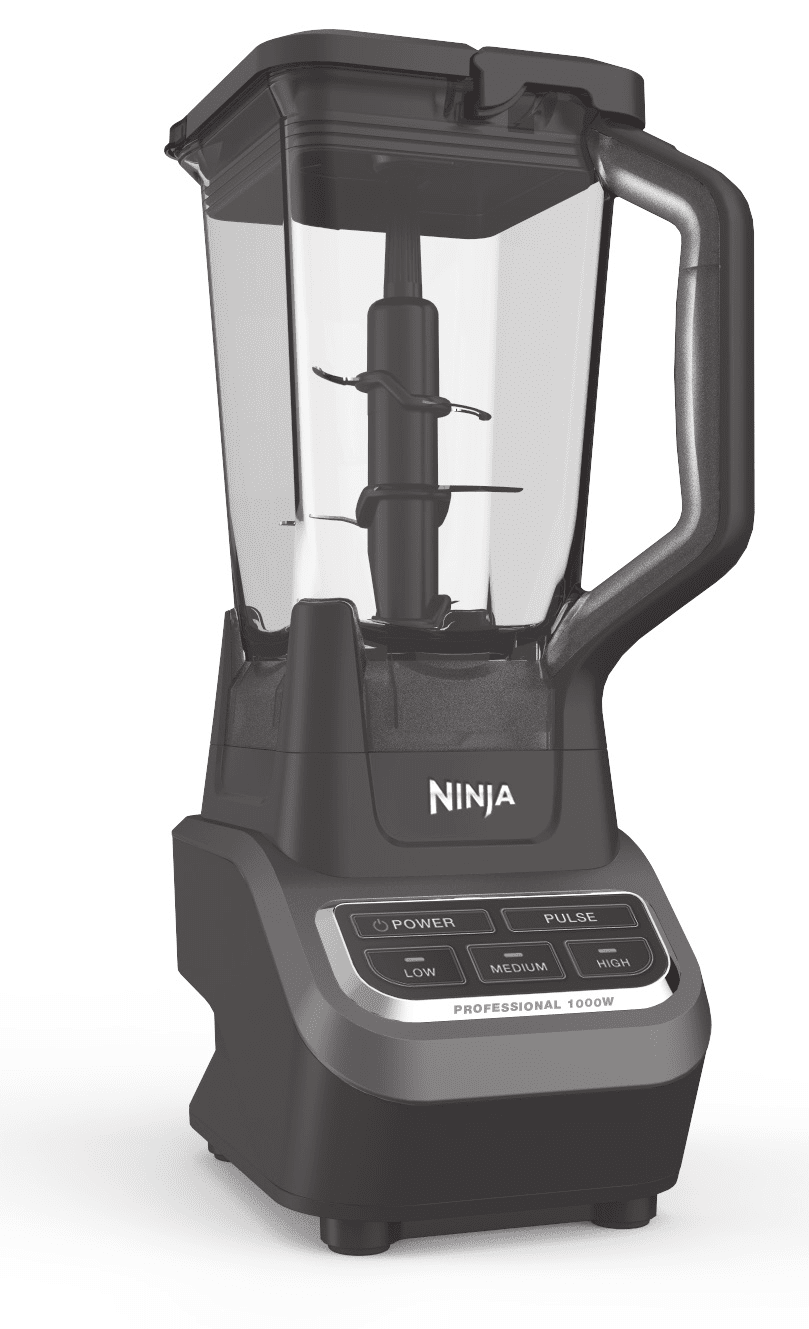
Step-by-Step Hand Washing Guide
Hand washing remains the most thorough way to clean your BL610 components and gives you complete control over blade safety. The manual recommends hand washing for initial cleaning before first use.
Before First Use Cleaning Process
Before using your new BL610 for the first time, follow these steps from the manual:
- Remove all packaging material and labels from the blender, pitcher, lid, and blade assembly
- Fill a sink with warm, soapy water using a mild dish detergent
- Wash each component individually with a soft cloth or sponge—this includes the pitcher, lid, and blade assembly
- Use extra caution with the blade assembly as the blades are extremely sharp
- Rinse all parts thoroughly under running water to remove all soap residue
- Dry completely with a clean towel before assembly or storage
This pre-use cleaning removes any manufacturing residues or dust that may have settled during packaging and shipping.
Daily Washing with Soft Cloth and Warm Soapy Water
For routine cleaning after each use, hand washing is quick and effective. Fill your sink with warm water and add a drop of dish detergent. Submerge the pitcher, lid, and blade assembly separately. Use a soft cloth or sponge to gently scrub all surfaces. Pay special attention to the pouring spout area where food particles can accumulate. For the pitcher, wipe the interior walls, bottom, and graduated measurement markings. The warm water helps dissolve any residual food or blended particles.
The soft cloth is important—abrasive scrubbers or steel wool can scratch the clear pitcher material and create stress points that may crack under thermal changes or pressure.
Handling Sharp Blade Assembly Safely
The manual states clearly: “CAUTION: Blade assembly is sharp, handle with care. When handling the blade assembly, always hold by the shaft.” Never touch the blade tips, even if you think they’re not sharp or if you’re holding them underwater. When hand washing:
- Hold the assembly by the shaft only—never grip near the blades
- Submerge the blade assembly in soapy water and let the water do most of the cleaning work
- Use a soft cloth to wipe around the blade assembly while holding it securely by the shaft
- Pay attention to the area where blades attach to the shaft, as dried food can stick there
- If food is stuck on, soak for 5-10 minutes to loosen it rather than scrubbing aggressively
Never attempt to clean between the blades with your fingers or a thin object, as you could cut yourself or bend a blade.
Proper Rinsing and Drying Procedures
After washing, thorough rinsing removes soap residue that can affect taste or create buildup. Hold each component under running water and rotate it so water reaches all surfaces. For the blade assembly, let water flow around and through the blade stack for at least 10 seconds. Pay special attention to the shaft connection, which can trap water.
Dry all components immediately after rinsing with a clean, lint-free cloth. Water spots on the pitcher are cosmetic but can make it look cloudy. For the blade assembly, drying ensures no water sits in the shaft cavity, which could eventually cause rust or mineral deposits. Store all components only after they’re completely dry.
The Built-In Self-Cleaning Method
The Ninja BL610 has a clever built-in cleaning feature that uses the blender itself to wash the pitcher. This method is particularly effective for removing stubborn food particles and requires minimal manual scrubbing.
Using the PULSE Function to Clean Automatically
The self-cleaning method uses the PULSE button, which delivers controlled bursts of power rather than continuous blending. According to the manual, this feature is ideal for “controlled chopping and processing,” and it works equally well for cleaning. The pulsing action creates motion that dislodges food particles from the pitcher walls and blade assembly without the aggressive force of a continuous blend cycle.
Mixing Warm Water with Dish Detergent
To use this method:
- Remove the pitcher from the motor base
- Fill the pitcher ¾ full with warm water—do not use hot water, as extreme temperature changes can stress the pitcher
- Add a single drop of dish washing detergent—more soap is not better and will create excessive suds that overflow
- Replace the pitcher on the motor base and ensure it’s locked in place by rotating left until it seats under the safety tabs
- Place the lid on the pitcher with the locking handle in the upright position
- Align the arrows on the lid and pitcher handle to ensure proper seating
- Press the locking handle down so the latches fit under the tabs on the pitcher
Correct Pulse Cycle Repetitions
Once assembled and ready, press the PULSE button several times in succession. The manual recommends pressing it “a few times”—typically 3 to 5 pulses are sufficient. Each pulse lasts only a second or two. After completing the pulse cycles, unplug the blender and wait for any remaining water motion to stop.
Important: Never run a continuous blend cycle with just water and detergent, as this can stress the motor unnecessarily. The pulse method is specifically designed for this cleaning purpose.
Advantages Over Manual Scrubbing
The self-cleaning method offers several benefits:
- Reaches all surfaces: The water circulation reaches areas that a cloth cannot easily access, including underneath the blade assembly and around the pitcher’s measurement markings
- Saves time: No manual scrubbing required—just fill, pulse, and rinse
- Gentler on components: Water and detergent do the work rather than abrasive cloths that might scratch the pitcher
- Efficient for daily use: Perfect for quick cleanups when the pitcher needs a thorough rinse after smoothies or nut butters
After pulsing, remove the pitcher from the motor base and rinse all components thoroughly under running water. The warm soapy water loosens particles, and the running water rinse removes both food debris and detergent residue. Allow all parts to air-dry or wipe with a clean cloth before storing.

Safety Tips When Washing Blade Assembly
The blade assembly is the most hazardous component to handle during cleaning. Treating it with respect prevents cuts and ensures the blades stay in perfect condition for optimal blending performance.
Always Hold Blades by the Shaft, Never the Tips
This is repeated throughout the manual because it’s critical to preventing hand injuries. The Ninja Stacked Blade design features multiple sharp cutting edges stacked together. The shaft is the central metal post that everything attaches to. When you grip the shaft:
- Your fingers are far from the sharp blade edges
- You have full control and stability while washing
- You can rotate the assembly to access all sides under water
- You can remove it from the pitcher safely
- You can load and unload it from the dishwasher without risk
Never pinch or grab at the blade tips or the cutting edges. Even if you think you can see all the blades clearly, there are multiple layers, and your fingers can slip between them. The blades are designed to cut through ice and frozen fruit, so human skin offers no resistance.
Using a Rubber Spatula for Stuck-On Food
If food particles have hardened on the blade assembly, a rubber spatula is your safest cleaning tool. The manual states: “A scraper may be used but only when the blender is not running.” This applies equally to cleaning. A rubber or silicone spatula:
- Is soft enough not to damage the stainless steel blades
- Has a flat edge that can dislodge debris without sharp points
- Keeps your fingers away from the blades while you work
- Works best when the assembly is soaked in warm water first to soften dried food
Never use metal utensils like forks or knives to scrape the blades, as this can bend or dull them. Never use a wire brush, which will scratch the blade surfaces. If food is really stuck, soak the assembly in warm soapy water for 10-15 minutes before attempting to clean it.
Warning Signs of Bent or Damaged Blades
The manual includes a critical safety warning: “DO NOT use the appliance if blade assembly is bent or damaged.” During cleaning, inspect the blades for:
- Visible bending: Hold the assembly up to light and look at the blade profile. All edges should be straight and symmetrical
- Chips or nicks: Even small damage reduces cutting efficiency and can cause uneven blending
- Wobbling: If the assembly feels loose or unstable when held by the shaft, the internal connection may be damaged
- Discoloration: Brown spots or rust indicates corrosion, which weakens the blades
- Separation: The stacked blades should be compressed tightly together. If you can see gaps between layers, the assembly may be failing
Never attempt to fix bent blades by bending them back. The manual states: “DO NOT attempt to sharpen blades,” and this extends to any modification. Damaged blades should be replaced using the replacement parts available from Ninja customer service.
When to Stop Cleaning and Replace Blades
If you notice any of the warning signs above during cleaning, stop using the blades immediately. Contact Ninja customer service at 1-877-646-5288 to order a replacement blade assembly. The 1-year limited warranty covers manufacturing defects, so if the blades became damaged under normal use within the warranty period, replacement may be free (minus shipping costs).
Using bent or damaged blades can result in:
- Uneven chopping and blending
- Potential blade fragments in your food
- Motor strain from unbalanced rotation
- Safety risks if a severely damaged blade separates during operation
Motor Base Cleaning and Storage
The motor base houses the 1000-watt motor and all electrical components, so protecting it from water is essential for safety and longevity.
Damp Cloth Cleaning Procedure
The manual is explicit: “DO NOT immerse the motor base into water or any other liquid. Clean with a damp sponge or cloth and wipe dry.” Follow this process:
- Unplug the blender from the electrical outlet before any cleaning—this is critical for electrical safety
- Dampen a soft cloth or sponge with warm water—it should be damp, not dripping wet
- Wring out excess water so no liquid drips onto the motor base
- Wipe the exterior of the base with the damp cloth, including the control panel and any visible surfaces
- Pay attention to the gear shaft area where the pitcher connects—food particles can dry here
- Avoid the cord and cord storage area which should stay completely dry
- Wipe dry immediately with a clean, dry cloth
- Allow to air-dry for several minutes before plugging back in
Never spray water directly on the motor base, never use the sink to rinse it, and never allow water to run down from the pitcher area into the base. The non-slip bottom has drainage patterns that could trap water.
Never Immerse in Water or Liquid
This cannot be overstated. Water reaching the internal motor or electrical contacts can cause:
- Short circuits and blown fuses
- Electric shock to the user
- Fire or smoke from electrical overload
- Permanent damage requiring replacement of the entire unit
If water ever does splash into the motor base, unplug immediately and do not use the blender. Let it dry completely (at least 24-48 hours) before attempting to use it again. If you’re uncertain whether liquid entered the motor, contact customer service before plugging it back in.
Proper Storage Setup to Prevent Damage
The manual states: “Store the Ninja® Professional Blender 1000 upright with the pitcher, blade assembly and cover on the motor base. Do not place anything on top.” This storage position:
- Keeps the blender stable and prevents tipping
- Prevents pressure on the blade assembly from the weight of other objects
- Protects the cord from being pinched or damaged
- Keeps the pitcher securely in place, preventing accidental drops
- Maintains the appliance’s footprint, making it convenient for countertop or cabinet storage
Do not store the blender on its side, do not store it upside down, and do not remove the pitcher from the motor base during storage. Never store with heavy objects on top of the lid or pitcher, as this can crack the plastic or bend the lid’s locking mechanism.
Cord Wrapping on Storage Hook
The BL610 includes a cord storage hook on the back of the motor base. Proper cord wrapping prevents damage to the power cord and keeps your storage area organized:
- Ensure the blender is unplugged before wrapping the cord
- Loosen the cord so it’s not wrapped tightly around anything
- Wrap the cord around the cord storage hook in a figure-8 or coiled pattern
- Avoid sharp bends at the base of the cord where it exits the motor
- Leave the plug end accessible for easy unplugging when needed
- Do not stretch the cord tightly—it should wrap loosely without tension
Proper cord storage prevents:
- Fraying or insulation damage from being pinched between the blender and other items
- Tripping hazards from a loose cord hanging across the counter
- Damage to the cord from being yanked or pulled suddenly
- Stress fractures at the plug connection from repeated bending
The manual warns: “DO NOT abuse the power cord. Never carry the appliance by the power cord or yank it to disconnect from electrical outlet.” Proper storage and handling extends your cord’s lifespan and ensures safe operation for years.
Maintaining Your BL610 for Longevity
Beyond basic cleaning, a regular maintenance schedule keeps your Ninja BL610 performing like new.
Regular Maintenance Schedule
Establish a routine that protects your investment:
- After every use: Hand wash or dishwasher clean the pitcher, lid, and blade assembly immediately while food is still soft and easy to remove
- Weekly: Inspect the blade assembly for any signs of bending or damage during normal cleaning
- Monthly: Wipe the motor base thoroughly with a damp cloth, including the control panel buttons and the area around the gear shaft
- As needed: Run the self-cleaning pulse cycle if the pitcher develops residual staining from smoothies or nut butters
- Seasonally: Check the power cord for any damage, cracks in the insulation, or loose connections at the plug
The BL610 has no user-serviceable parts inside the motor base, so maintenance is largely preventive. Keeping everything clean and dry ensures the motor and electrical components stay protected.
Replacement Parts Availability
When components wear out or break, replacement parts are available directly from Ninja. The manual states: “To order additional parts and accessories, please visit our website: www.ninjakitchen.com or feel free to contact customer service at 1-877-646-5288.” Common replacement parts include:
- Blade assembly
- Pitcher (if cracked or clouded)
- Lid with locking handle
- Motor base (for electrical issues)
Keep your proof of purchase and receipt in a safe place, as you’ll need them to process warranty claims or to establish your purchase date for replacement part eligibility.
How Warranty Covers Manufacturing Defects
The BL610 comes with a one-year limited warranty from the date of purchase. The warranty covers the product when “utilized for normal household use” and specifically covers “material defects and workmanship.” The warranty does not cover:
- Normal wear of parts (gradually dulling blades from regular use)
- Damage from misuse, abuse, or negligent handling
- Damage from commercial use
- Damage from faulty packaging or mishandling during shipping
- Damage from unauthorized repairs or modifications
- Thermal stress from exposure to extreme temperature changes
If your blender fails under normal household conditions within the warranty period:
- Contact customer service at 1-877-646-5288 with your proof of purchase and the date
- Return the complete appliance with all accessories, freight prepaid
- Include a check for $19.95 payable to EURO-PRO Operating LLC to cover return shipping and handling
- EURO-PRO will repair or replace the unit at no charge if found to be defective
Proper cleaning and maintenance helps ensure that any issues that do arise are genuinely manufacturing defects covered by warranty, rather than damage from neglect or mishandling.
FAQ
Can I put the entire Ninja BL610 in the dishwasher?
No. Only the pitcher, lid, and blade assembly are dishwasher safe. The motor base must never go in the dishwasher or be submerged in water. The 1000-watt motor and electrical components inside the base can be damaged by water, creating a fire or electrical shock hazard. The motor base should only be wiped clean with a damp cloth while unplugged.
What should I do if food gets stuck on the blade assembly?
Soak the blade assembly in warm soapy water for 10-15 minutes to soften the dried food. While holding the assembly by the shaft only, use a soft cloth or rubber spatula to gently dislodge the particles. Never use metal scrubbers, forks, or knives, which can bend or dull the blades. If the food is really stubborn, soak longer rather than scrubbing aggressively. Never attempt to clean between the blades with your fingers.
How often should I check my blade assembly for damage?
Inspect the blade assembly during your regular cleaning routine—ideally after every use or at least weekly. Look for visible bending, chips, nicks, wobbling, discoloration, or separation between the stacked blade layers. The manual states “DO NOT use the appliance if blade assembly is bent or damaged,” so any damage is a reason to contact customer service for a replacement. Damaged blades reduce blending efficiency and can be a safety hazard.
Is the self-cleaning pulse method as effective as hand washing?
The self-cleaning pulse method is excellent for routine cleaning and reaching surfaces that a cloth might miss, but hand washing is more thorough for removing stuck-on food or for initial pre-use cleaning. For daily maintenance after smoothies or fruit blending, the pulse method is quick and effective. For stubborn residue or seasonal deep cleaning, hand washing with a soft cloth is best. Many users find a combination of both—daily pulse cleaning and weekly hand washing—keeps the pitcher in perfect condition.
What do I do if the pitcher becomes cloudy or stained after repeated use?
Cloudiness is usually from mineral deposits in water or soap residue buildup. Try the self-cleaning pulse method with plain warm water (no detergent) a few times to rinse away deposits. For stubborn stains, soak the pitcher in warm water with a drop of white vinegar for 30 minutes, then pulse clean with warm water. Avoid abrasive scrubbers, which can scratch the plastic. If cloudiness doesn’t improve, it’s cosmetic only and doesn’t affect blending performance. Consider ordering a replacement pitcher from Ninja if the appearance bothers you, as the original pitcher is available through their website or customer service.