Your Amazon Basics 5-cup coffee maker is designed for a solid, hot brew, so a weak, watery result is frustrating. The fix is almost always straightforward, coming down to a few brewing fundamentals you can easily adjust. We’ll guide you through perfecting your coffee-to-water ratio, selecting the optimal filter, keeping the machine clean, and using the right water to restore a full-bodied cup.
Quick Answer: Weak coffee is most often caused by using too little ground coffee per brew cycle. Start by following the machine’s official measurement chart of 6 tablespoons of grounds for a full 5-cup pot, and ensure you’re using a fresh, properly placed filter to prevent bypass.
Check Your Coffee-to-Water Ratio
This is the most common culprit for weak coffee. The machine’s design and the absorption of water by the grounds require a specific ratio for optimal extraction. Getting this wrong, even slightly, dilutes your brew.
Use the Measurement Chart
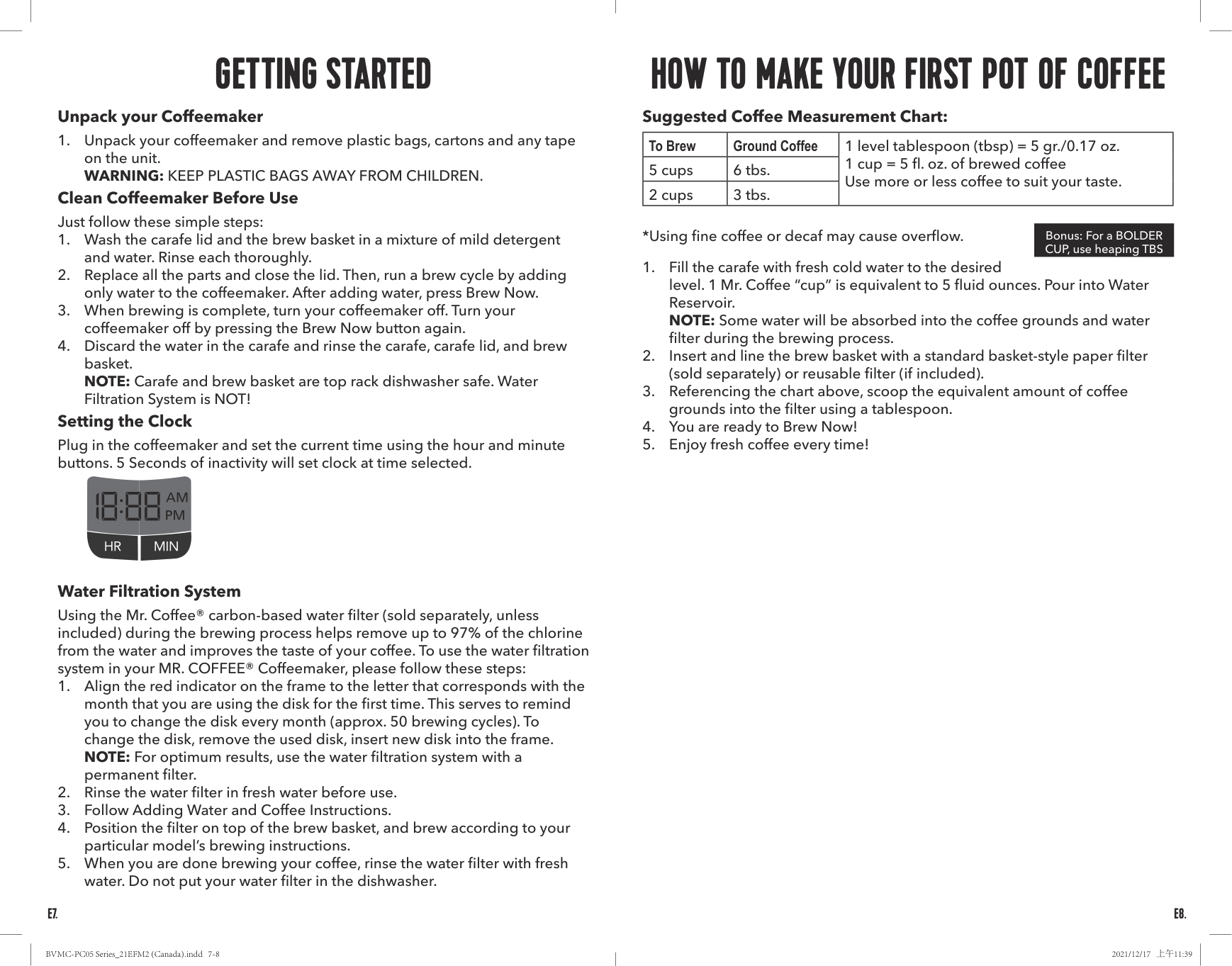
The coffeemaker defines one “cup” as 5 fluid ounces of brewed coffee. For a full 5-cup pot, which uses 25 fluid ounces of water, you need 6 level tablespoons of ground coffee. This is the baseline. Each level tablespoon equals approximately 5 grams or 0.17 ounces of coffee.
If you’re brewing a smaller amount, adjust proportionally: use 3 tablespoons for a 2-cup pot. A common mistake is using a kitchen measuring cup (8 fl. oz.) to gauge water, which would lead to a significantly under-extracted brew if you follow the tablespoon guide. Always use the markings on the carafe itself to measure your water.
Adjust for Your Taste
The measurement chart is a starting point. The instructions explicitly state, “Use more or less coffee to suit your taste.” If you find 6 tablespoons for 5 cups still tastes weak, try using “heaping” tablespoons instead of level ones for a bolder cup. Conversely, if the coffee tastes too strong or bitter, you can slightly reduce the amount. The key is to change only one variable at a time, so you know exactly what’s affecting the strength.
Choose the Right Filter
The type of filter you use and how you install it directly impacts the flavor profile and strength of your coffee by controlling which oils and sediments end up in your carafe.
Paper vs. Reusable Filter Effects
Your choice here is between clarity and robustness. Paper filters are designed to achieve a smoother, less bitter cup by effectively trapping bitter sediments and most of the coffee’s oils. If your coffee tastes weak *and* bland, a paper filter might be trapping too much of the flavorful oils.
Reusable filters (often a permanent mesh filter) have tiny holes that allow rich coffee oils to brew through, resulting in a more robust and full-bodied taste. If you’re currently using a paper filter and find the coffee lacks body, switching to a clean reusable filter can immediately create a stronger-tasting brew. For the best results when using a reusable filter, pair it with the optional water filtration system.
Ensure Proper Placement
A poorly seated filter can cause water to bypass the coffee grounds entirely, leading to extremely weak coffee. Whether using paper or reusable, ensure the filter is fully inserted and lined up properly in the brew basket. It should lay flat against the sides with no gaps. For a paper filter, make sure it’s fully opened and not folded over in a way that would channel water down the side. A reusable filter must be clicked or seated securely so it doesn’t shift during the brew cycle.
Clean and Decalcify Your Machine
Mineral buildup from water, primarily calcium and limestone, coats the internal heating element and waterways. This insulation reduces the machine’s ability to heat water to the optimal brewing temperature, leading to under-extracted, weak coffee. A clean coffeemaker is essential for brewing great tasting coffee.
Daily Cleaning Steps
Oily residue from coffee grounds can build up and become rancid, imparting off-flavors that mute fresh coffee taste. After each use:
- Unplug the machine and allow it to cool completely.
- Remove the brew basket, filter, carafe, and carafe lid.
- Wash them in hot water with mild liquid soap and dry thoroughly. All these parts except the water filter are top-rack dishwasher safe.
This routine prevents old oils from contaminating your next brew.
Monthly Descaling with Vinegar
For mineral deposits, you need an active decalcifying process. It’s recommended to do this every 30 days, or more frequently (every 40 brew cycles) if you have hard water.
- Remove the water filtration system from the coffeemaker before starting.
- Prepare 4 cups (20 fl. oz.) of undiluted white household vinegar and pour it into the water reservoir.
- Place an empty paper or reusable filter into the brew basket and close the lid.
- Put the empty carafe on the warming plate and run a full brew cycle.
- Turn the coffeemaker off and let the vinegar solution sit in the system for 30 minutes.
- Discard the vinegar from the carafe and rinse it thoroughly.
- Fill the reservoir with 5 cups of fresh water, place the empty carafe back, and run a complete brew cycle to rinse. Discard this water.
- Repeat the rinse cycle one more time with another 5 cups of fresh water to ensure all vinegar is removed.
After this process, your machine will heat more efficiently, ensuring proper water temperature for full coffee extraction.
Use Fresh, Filtered Water
Since coffee is 98 percent water, its quality is paramount. Impurities like chlorine or excess minerals can make coffee taste flat, dull, or weak.
Why Water Quality Matters
Always use clean, fresh water that is filtered and free of impurities. The manual specifically advises against using soft water or well water due to their mineral content and potential impurities. These can interfere with the extraction process and leave behind scale deposits faster.
Using the Water Filtration System
Your coffee maker is compatible with an optional Mr. Coffee® carbon-based water filter. This system, when used with a reusable permanent filter for optimum results, helps remove up to 97% of the chlorine from the water, which improves taste. To use it:
- Rinse the new water filter in fresh water before its first use.
- Align the red indicator on the filter frame to the letter corresponding to the current month to remind you to change it monthly (after approximately 50 brew cycles).
- After brewing, rinse the filter with fresh water. Do not put it in the dishwasher.
- Position the filter on top of the brew basket before brewing.
Using filtered water ensures nothing in the water itself is diluting or masking the true flavor of your coffee grounds.
| Problem | Quick Fix | Expected Result |
|---|---|---|
| Watery, weak taste | Increase grounds to 6 level tbsp for a full 5-cup pot. | Fuller-bodied, stronger coffee. |
| Bland, lacking flavor | Switch from a paper to a reusable mesh filter. | More robust coffee with richer oils. |
| Consistently weak brew | Perform a monthly descaling cycle with vinegar. | Hotter brewing temperature, improved extraction. |
| Flat or off-tasting coffee | Use the water filtration system with fresh, cold water. | Cleaner, brighter coffee flavor. |
Frequently Asked Questions
I’m using the correct amount of coffee, but it’s still weak. What else can it be?
The problem is likely your coffee grounds themselves. Pre-ground coffee loses potency quickly after opening. For the strongest flavor, use freshly roasted beans and grind them yourself just before brewing. Also, ensure you’re using a grind size appropriate for drip coffee makers—a medium grind. Too fine a grind can cause overflow and bypass, while too coarse a grind will under-extract.
How do I know if my machine needs descaling?
Signs include slower brewing times, visible white or off-white crusty deposits around the brew basket or water reservoir, and of course, consistently weak or lukewarm coffee even with correct ratios. If you have hard water or use the machine daily, stick to the recommended schedule of descaling every 30 days.
Can I use something other than vinegar to descale?
The manual only specifies using white household vinegar for the decalcifying procedure. Commercial descaling solutions are available, but for warranty and safety, following the manufacturer’s instruction is best. Vinegar is a safe, effective, and inexpensive acid that breaks down mineral scale.
My coffee maker seems to brew too fast. Is that causing weak coffee?
Yes, if water runs through the grounds too quickly, it doesn’t have enough contact time to extract fully. This can be caused by a grind that is too coarse or a clogged or incorrectly placed filter causing channeling. First, check your grind size and filter placement. If the problem persists, mineral buildup might be affecting internal components; try a descaling cycle.
The “Bold” function on other machines isn’t an option here. How do I make bold coffee?
This model doesn’t have a dedicated “bold” button. You create a bolder cup manually by using more coffee. The manual’s tip is to use “heaping TBS” instead of level tablespoons. You can also try a slightly finer grind or using a reusable filter to allow more oils through, intensifying the mouthfeel and flavor.
After cleaning, my coffee still tastes bad. What now?
If you’ve descaled, cleaned all removable parts, and are using fresh coffee and filtered water, the issue may be with the machine’s heating element. If it’s not reaching the proper temperature, extraction will fail. Since the appliance has no user-serviceable parts, any servicing beyond cleaning requires an Authorized Service Representative. Contact the Consumer Service Department at 1-800-672-6333 for support.
Official Documentation
Want the full specifications and manufacturer instructions? Download the official Amazon Basics 5 Cup Drip Coffee Maker with Glass Coffee Pot (0.8 Qt), Auto Shut-off, Auto Pause, Removable Filter Basket, Mat manual (PDF).
